Traditionally, the real estate industry was largely viewed as analog, a place in which cybercriminals had no interest.
Unfortunately, the industry couldn’t stay safe forever.
The vast amounts of money usually involved in transactions, combined with the highly sensitive (and therefore valuable) data found in real estate documents, make them an enticing target for malicious actors:
- In 2024, an international analysis[1] conducted across 14 markets revealed that 96% of Construction and Real Estate companies surveyed experienced an attack.
- All attacks involved an attempt at corrupting data, and 61% of those attempts have been successful.
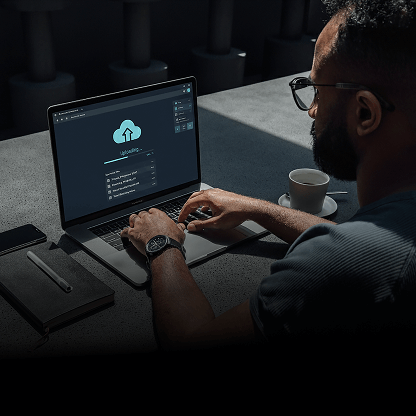
We know that attacks are after data stored in sensitive documents and financial workflows. In this case, file handling becomes a priority for real estate and title service providers.
Digital transformation is happening now. Nearly all files are now created, stored, and shared online. The margin for error is gone, and organizations must adopt proactive defenses to protect customer data, maintain trust, and ensure business continuity.
One major player in real estate transactions understood their precarious position and reached out to OPSWAT, for a cybersecurity upgrade.
Every Upload Expands the Threats
As a key player in securing real estate transactions across the region, the organization operates in a high-risk environment. It needed to address critical vulnerabilities in its file upload workflows, which were exposing it to serious cyber threats that are not easily recoverable.
- Malicious content hidden in customer-uploaded files (macros, scripts, embedded threats) were a tangible risk
- Lack of deep analysis for suspicious files slowed investigations and increased uncertainty
- Security controls could not disrupt existing customer workflows
- Limited ability to retain long-term sample and report retention for investigations and audits
- File security was isolated from email workflows, failing to protect all possible entry-points
Seamlessly Turning Uploads into a Line of Defense with MetaDefender Core
The customer integrated MetaDefender Core into their infrastructure, leveraging its advanced malware prevention and detection capabilities. They now use market-leading technologies to scan and sanitize all files uploaded through their customer-facing portals:

Metascan™ Multiscanning
Metascan Multiscanning uses 30+ anti-malware engines for file scans, combining signatures, heuristic, and machine learning to achieve a +99% detection rate.

Deep CDR™-Technologie
Assuming all files are potentially malicious, Deep CDR™ Technology deconstructs files to neutralize potentially harmful objects such as macros or URLs. The process preserves the original file structure before regenerating and returning only clean, safe, and usable files to the end user.
Adaptive Sandbox
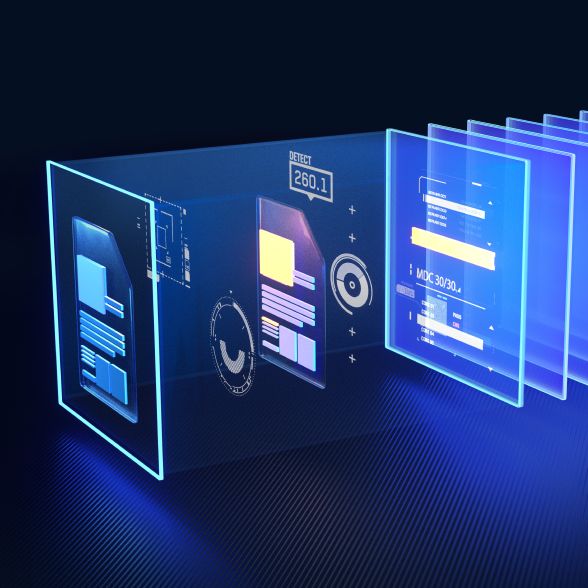
Adaptive Sandbox analyzes suspicious files by simulating real application behavior and monitoring runtime activity. By observing how files execute, it exposes evasive malware techniques such as scripting abuse, code injection, and sandbox evasion. The engine extracts actionable Indicators of Compromise (IOCs), enabling the customer’s SecOps team to investigate threats faster and respond with greater confidence when suspicious uploads are detected.
Integrationen
In addition to the effectiveness of MetaDefender Core’s technologies, the customer was also drawn to the system’s configurability. They are now leveraging available security options for:
- Email integration to scan attachments and send to the sandbox for further threat analysis when needed
- SIEM and SOAR integrations enabled automated alerting and incident response using MetaDefender Core scan results and sandbox insights
Expanded Coverage across Portals, Email, and SecOps Workflows
With MetaDefender Core in place, powered by its prevention and detection capabilities, the customer is now confident in its cybersecurity infrastructure.
- All uploaded files are scanned with 30+ leading engines, detecting +99% of both known and unknown malware.
- For an added layer of prevention, Deep CDR™ Technology removes active content like macros while preserving file usability.
- Adaptive Sandbox supports rapid, in-depth malware analysis, enabling SecOps to investigate suspicious files.
- Seamless integration into existing web portals ensures strong protection without impacting user experience.
- Configurable retention of samples and reports supports long-term investigations and compliance requirements.
- Email connector allows attachments to be scanned and sandboxed only when needed, extending protection without unnecessary overhead
- SIEM and SOAR integration enables automated alerting, response, and improved operational visibility
Rethink Cybersecurity in Real Estate
It’s virtually impossible to predict where new threats are coming from. What’s absolutely feasible, however, is identifying possible entry points in your infrastructure. Your security strategy is 100% in your control, and you can take proactive steps today to reduce the risk before threats ever reach your systems.
MetaDefender Core can be a powerful partner here, helping you protect file uploads with multi-layered defenses like multiscanning, Deep CDR™ Technology, and AI Powered adaptive sandboxing.
These measures ensure that every uploaded file is inspected, neutralized, and verified safe, helping your organization maintain trust and resilience even as attackers evolve.
If you are ready to take a proactive step towards securing your systems and networks, get in touch and see how our OPSWAT solution can safeguard your systems!