OPSWAT Stückliste
Softwarepakete und bekannte Schwachstellen identifizieren, kryptografische Risiken bewerten sowie die Herkunft von KI-Modellen und die angegebenen Lizenzen überprüfen.
- Software Sichtbarkeit von Komponenten
- Planung der Umstellung auf Post-Quanten-Systeme
- Herkunft von KI-Modellen
OPSWAT genießt das Vertrauen von



















Automatisierte Erstellung von SBOM,
CBOM und AIBOM
CycloneDX & SPDX für SBOM
8,7 Mio.+
Open-Source Software von Drittanbietern für das „
“
Integration von CI/CD-Pipeline-
Software & Informationen zur KI-Lizenz
Transparenz hinsichtlich bekannter Sicherheitslücken und kryptografischer Risiken
Blinde Flecken im Lagerbestand bergen Risiken
Unvollständige Bestandsaufnahmen führen dazu, dass Teams Beweismaterial für die Behebung von Sicherheitslücken, die Migration von Verschlüsselungssystemen und die Überprüfung von KI-Modellen rekonstruieren müssen.

Dateien werden ohne Angaben zu den Komponenten geliefert
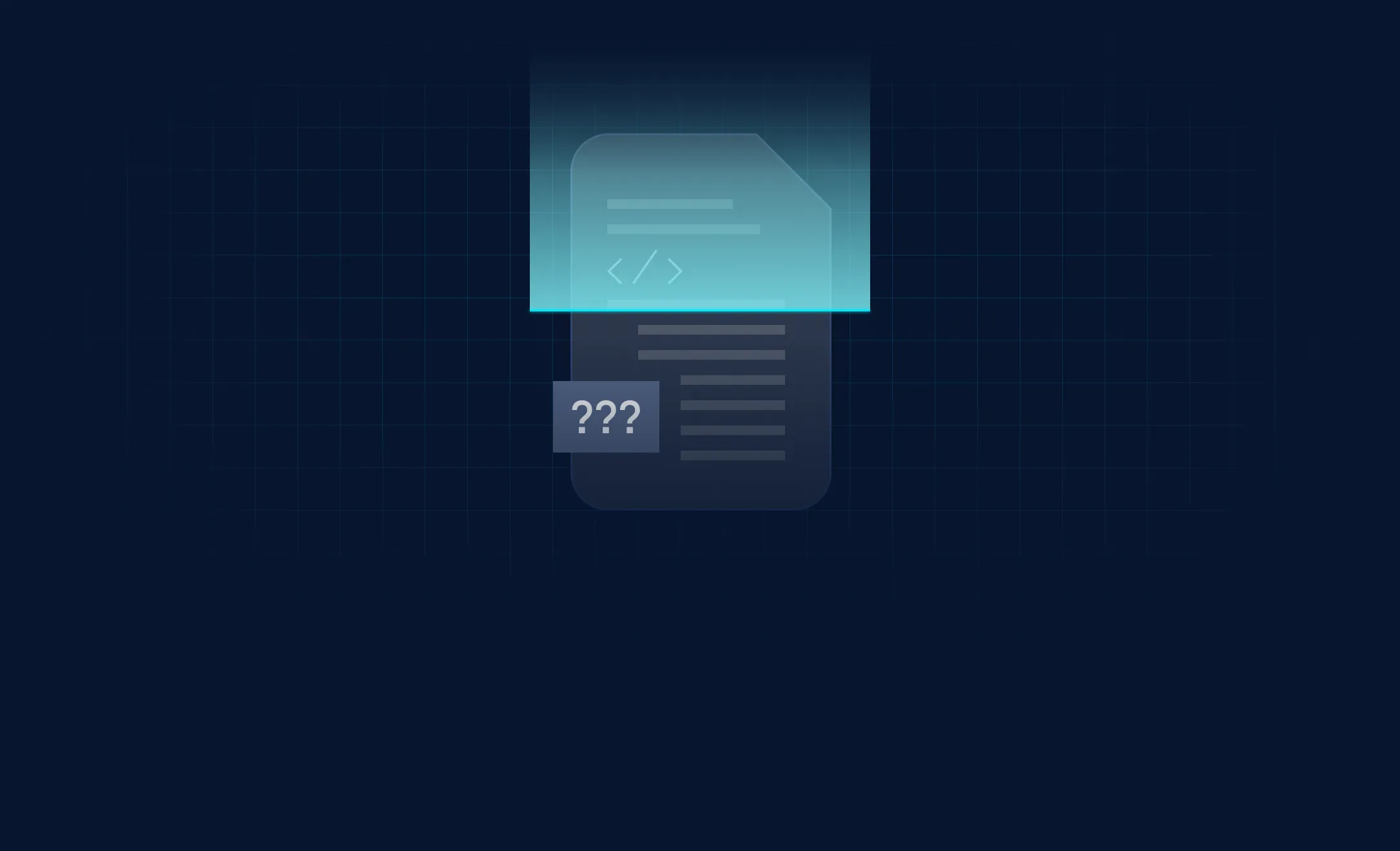
Lieferantensoftware und KI-Modelldateien können ohne verwertbare Bestandsdaten eintreffen, sodass die Teams vor der Überprüfung die Paketversionen, kryptografischen Abhängigkeiten, die Herkunft der Modelle und die angegebenen Lizenzen ermitteln müssen.
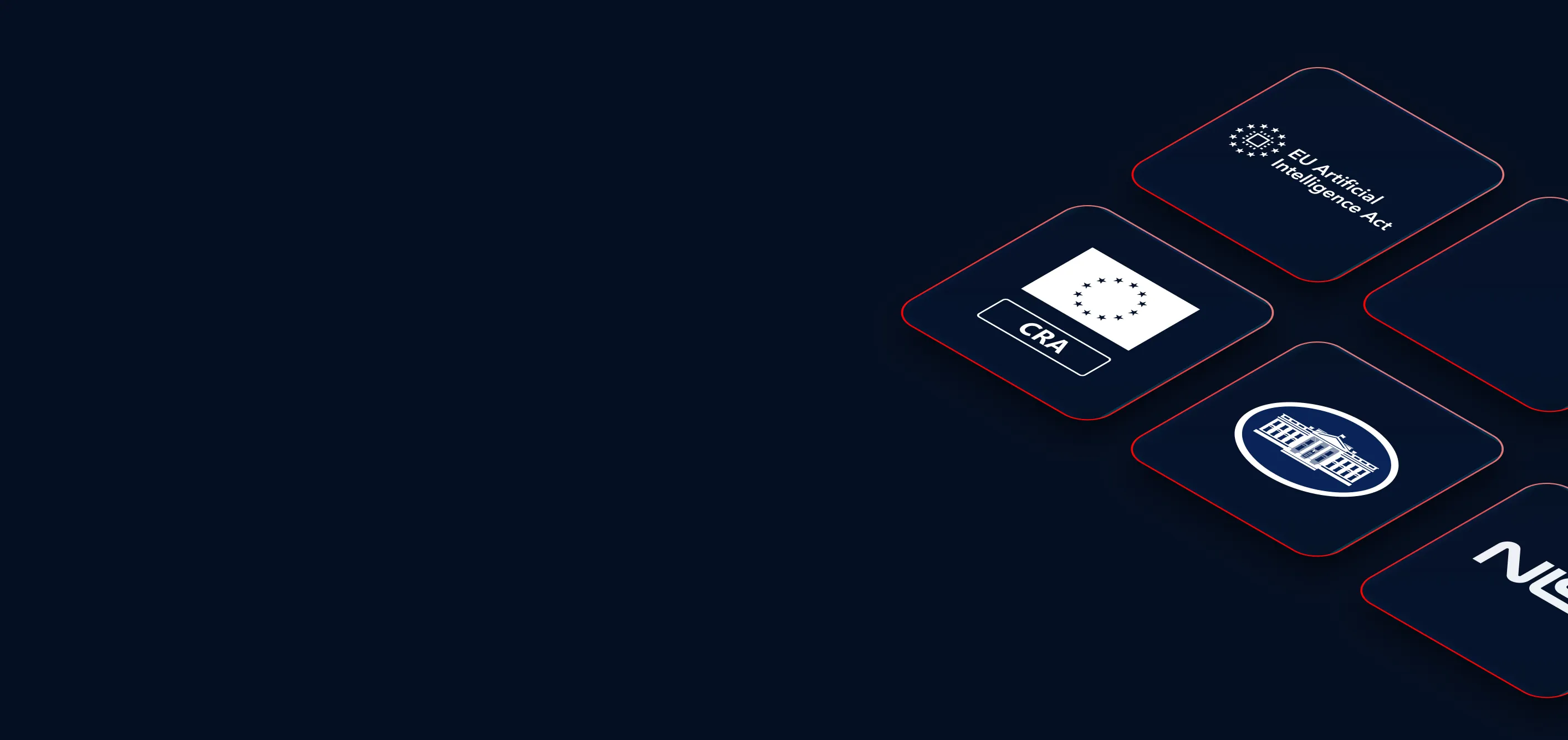
Zunehmende Anforderungen an die Einhaltung von Vorschriften und die Dokumentation


Neue CVEs lösen manuelle Komponentenprüfungen aus
Wenn eine neue CVE bekannt gegeben wird, verzögern fehlende Paketnamen und Versionen die erste Aufgabe: die Ermittlung der Software-Artefakte, die untersucht werden müssen.
Analysieren, Bestandsaufnahme, Exportieren
 SCHRITT 1
Unterstützte Dateien und Artefakte scannen
Scannen Sie Quelldateien, Binärdateien, Zertifikate, Container-Inhalte und KI-Modelldateien. Der Umfang der Analyse hängt vom Dateityp und den aktivierten BOM-Modulen ab.
- SCHRITT 2
Die aktivierten Stücklistenmodule ausführen
Aktivierte Module erstellen je nach übermittelter Datei und unterstützter Analyse bis zu drei Bestandslisten innerhalb eines Scan-Ergebnisses.
- SCHRITT 3
Einzelne oder zusammengefasste Berichte exportieren
Erstellen Sie separate SBOMs im SPDX- oder CycloneDX-Format oder zusammen mit CBOM und AIBOM im JSON- oder PDF-Format, um den Teams für Anwendungssicherheit (AppSec), kryptografische Qualitätssicherung (PQC), KI-Governance, Rechtsabteilung und GRC die für ihre Arbeit relevanten Formate zur Verfügung zu stellen.
Drei Bestände. Umfassendere Risikotransparenz.
Pakete identifizieren und bekannte Schwachstellen unter
ermitteln
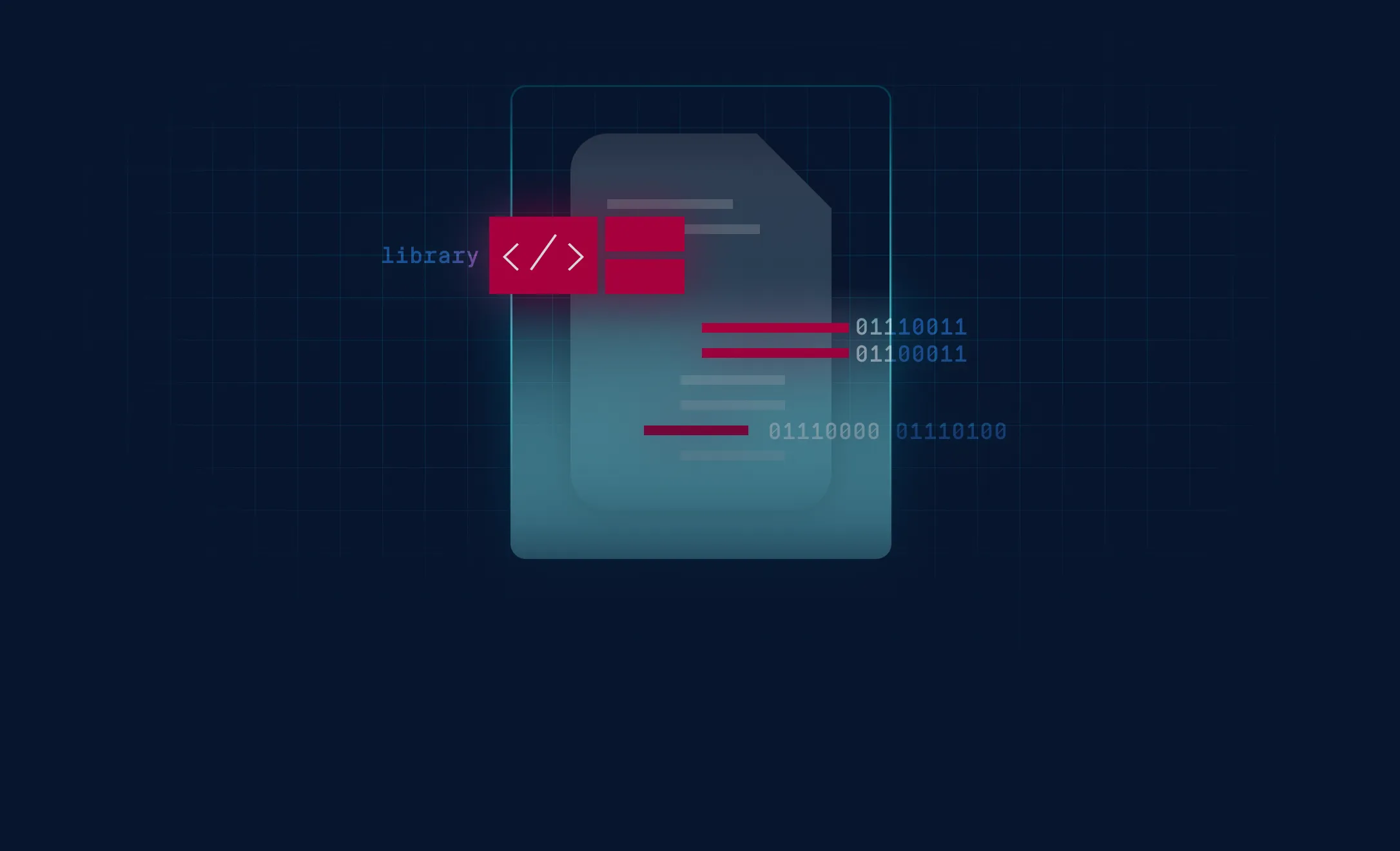
Listen Sie Paketnamen, Versionen, Lizenzinformationen, kritische Software-Updates und bekannte Sicherheitslücken aus 8,7 Millionen Bibliotheken von Drittanbietern auf.
Kryptografische Risiken bewerten
Prüfen Sie Algorithmen, Bibliotheken, Zertifikate, Protokolle und zugehöriges kryptografisches Material. Analysieren Sie klassische und quantenbasierte Risiken und prüfen Sie, ob gegebenenfalls empfohlene Alternativen zur Verfügung stehen, um fundierte Migrationsentscheidungen treffen zu können.
KI-Modelle mit den auf
veröffentlichten Repositories abgleichen
Ordne Modelldateien Repositorien zu, von denen bekannt ist, dass sie dieselben Bytes veröffentlichen, und gib die verfügbaren deklarierten Lizenzen an, um den Prüfern konkrete Anhaltspunkte für die Herkunfts- und Lizenzprüfungen zu liefern.
Dateien in Air-
-Umgebungen mit Lücken analysieren
Analysieren Sie unterstützte Dateien in isolierten Netzwerken. Wenn die erforderlichen Datenbanken lokal installiert sind, können Teams während des Scanvorgangs Stücklistenprüfungen ohne Cloud-Verbindung durchführen.
Stücklistenanalyse konsolidieren
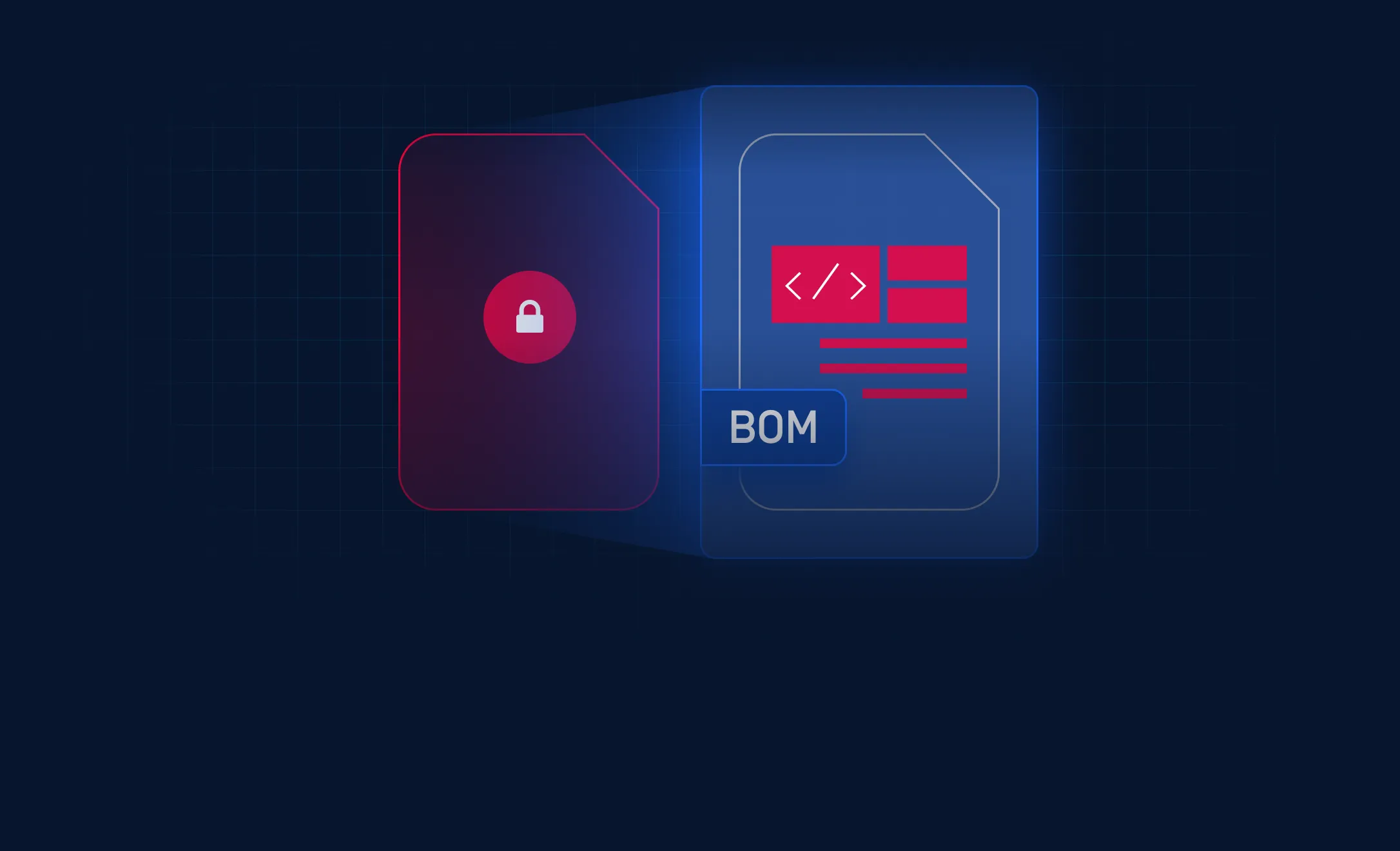
Erstellen Sie Software-, Kryptografie- und KI-Bestandsaufnahmen über eine einzige Engine und vermeiden Sie so die Notwendigkeit, für jeden Bestandsaufnahmetyp separate Scan-Workflows zu konfigurieren.
Konfigurieren von BOM-basierten Sperrrichtlinien für „
“
Legen Sie Schwellenwerte für Software-Sicherheitslücken und Lizenzbeschränkungen für Pakete fest. Aktivieren Sie die Blockierung für kryptografische Risiken und ausgewählte KI-Modelllizenzen separat, entsprechend Ihren Workflow-Anforderungen.
Ein einheitliches Stücklisten-Scan-Ergebnis erkunden
Sehen Sie sich die Scan-Zusammenfassung an, wechseln Sie zwischen den Ergebnissen für SBOM, CBOM und AIBOM und exportieren Sie den gewünschten Bericht.
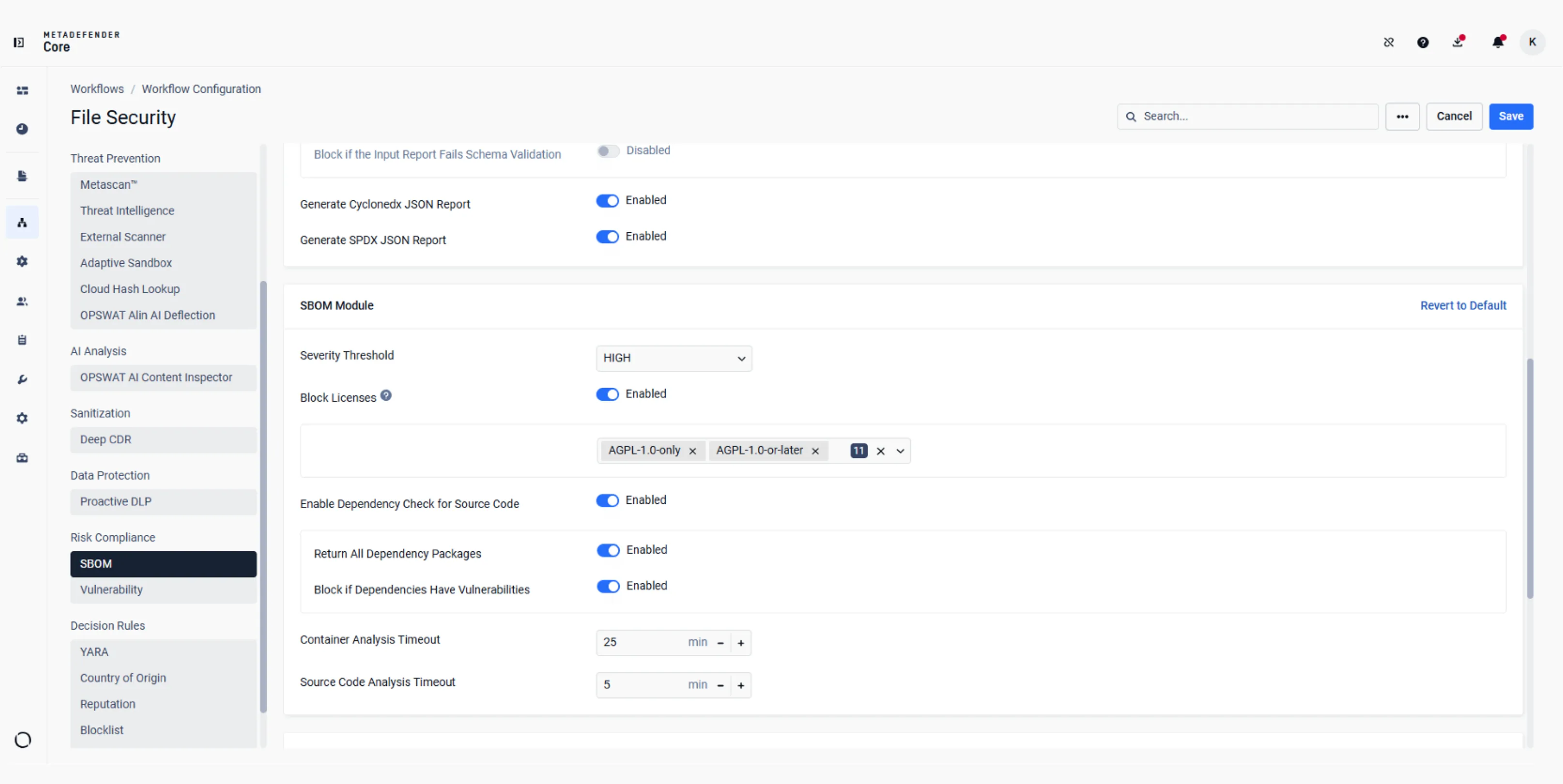
Legen Sie Schweregradschwellenwerte für Sicherheitslücken fest, wählen Sie die zu blockierenden Paketlizenzen aus und aktivieren Sie Abhängigkeitsprüfungen für den Quellcode.
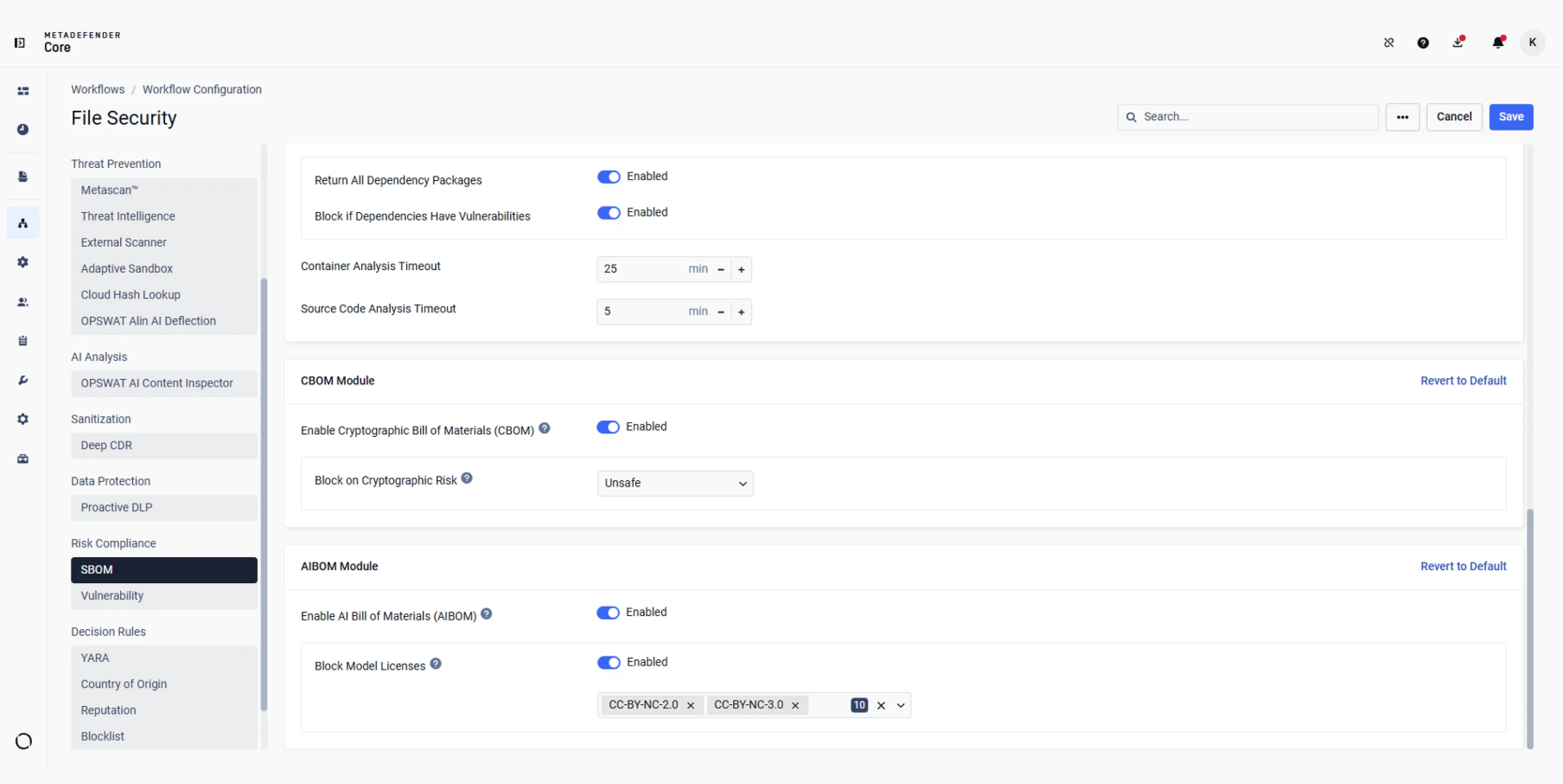
Entscheiden Sie, ob Sie aufgrund kryptografischer Risiken eine Sperrung vornehmen oder welche Lizenzen für KI-Modelle Sie einschränken möchten.
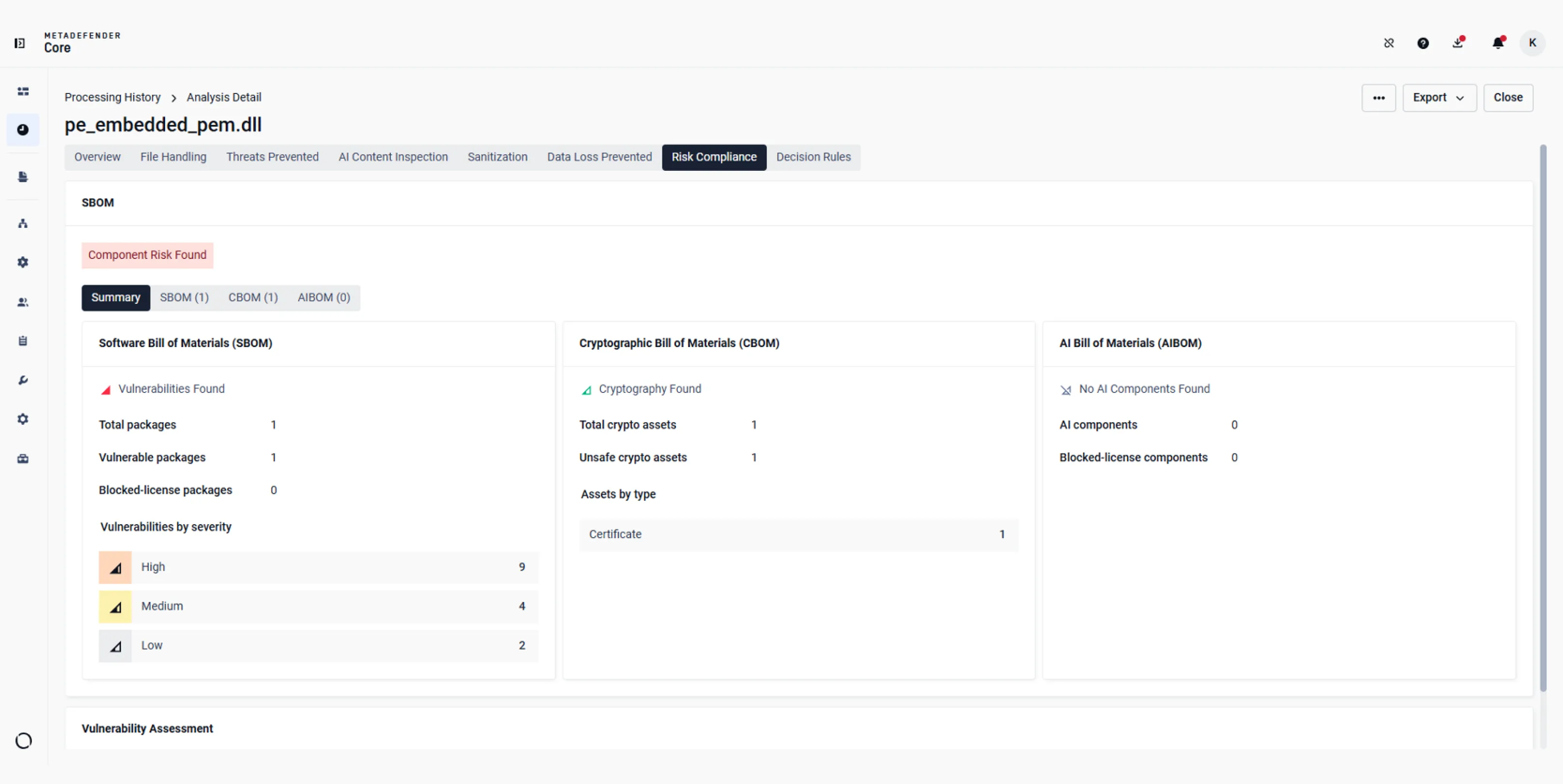
Vergleichen Sie die Ergebnisse der Software-, Kryptografie- oder KI-Prüfung für die gescannte Datei und öffnen Sie anschließend die einzelnen Module, um weitere Details anzuzeigen.
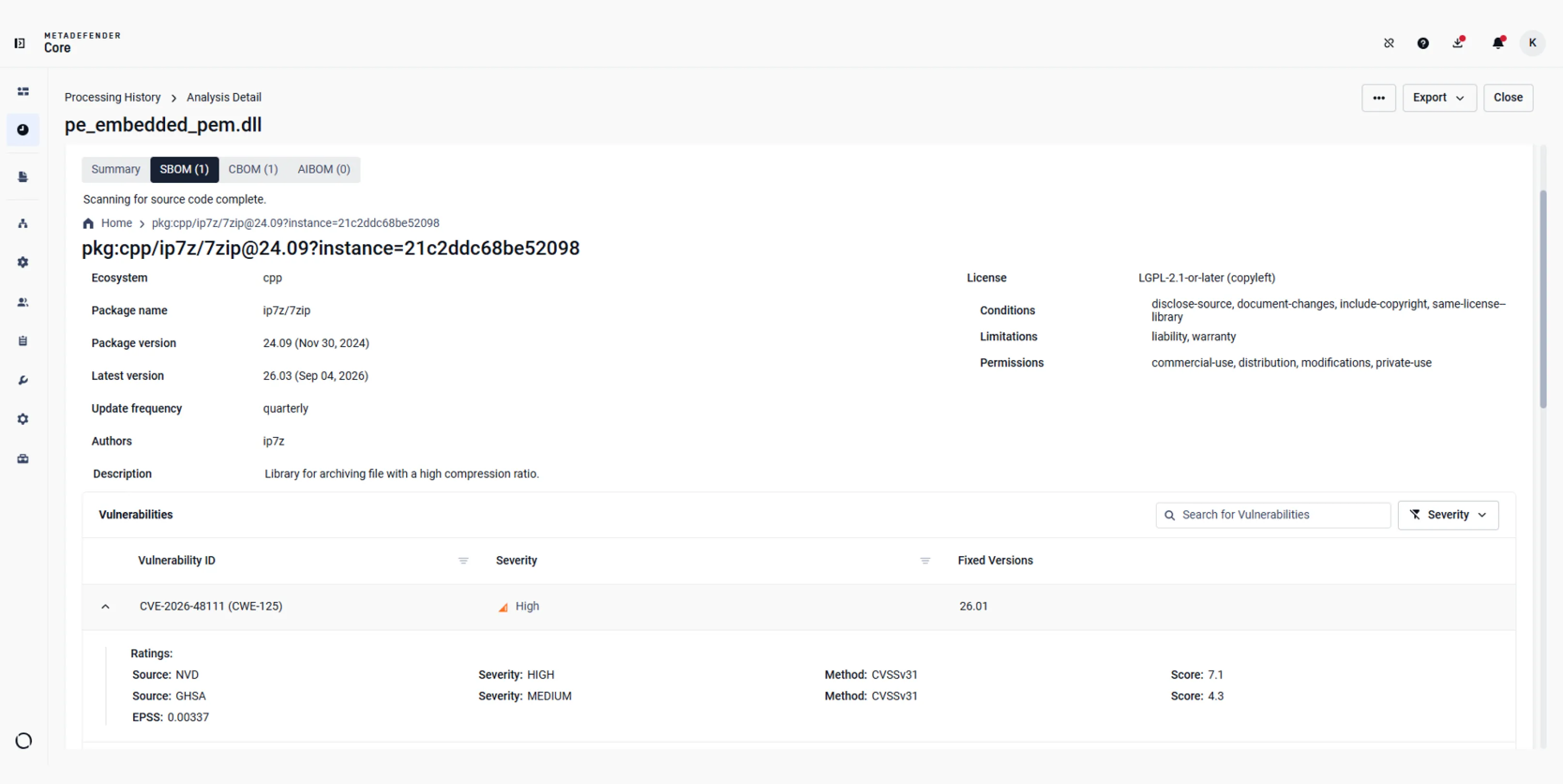
Überprüfen Sie die Paketversion, die gemeldete Lizenz, die zugehörigen CVEs und die Schweregrade.
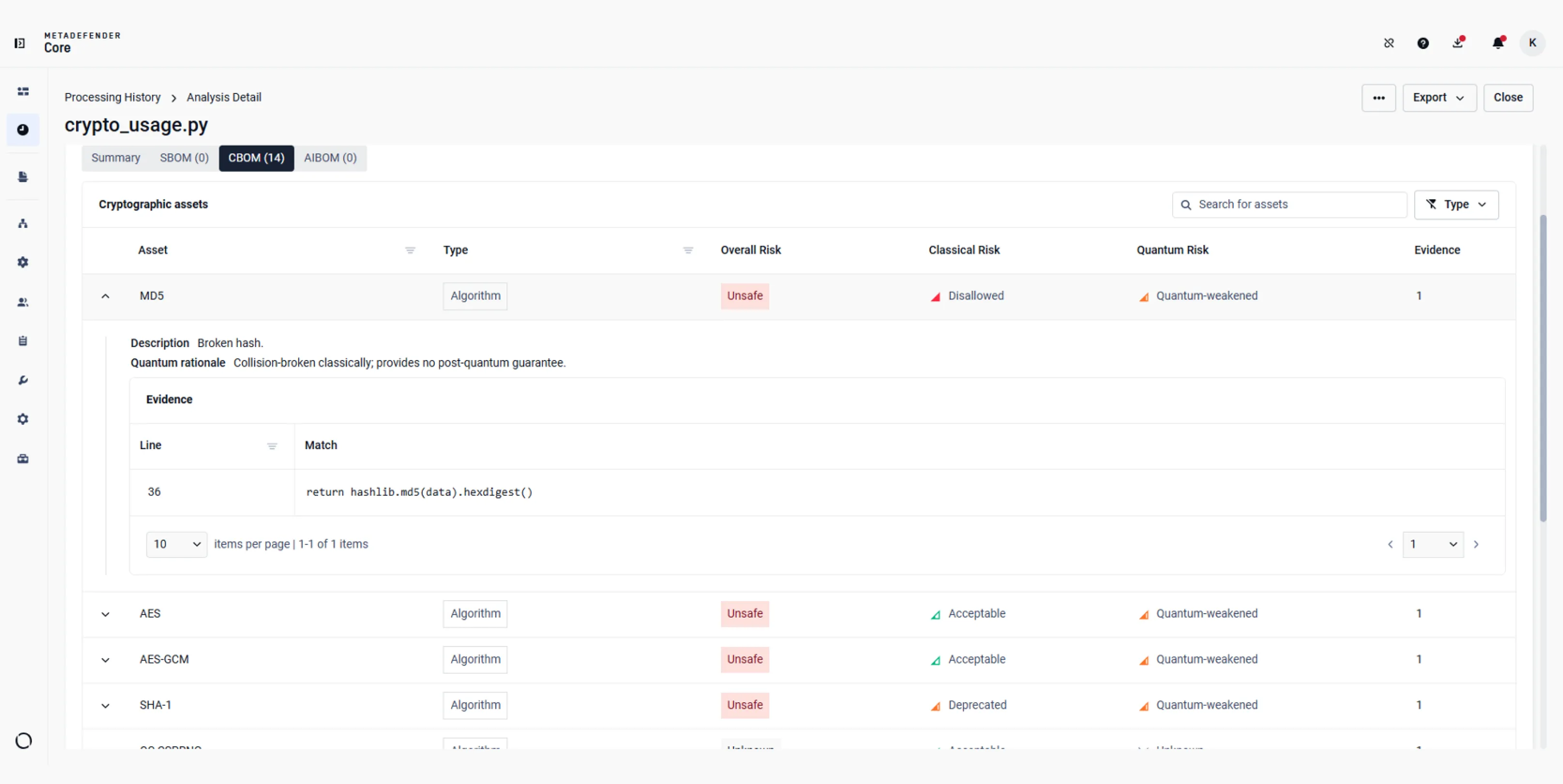
Überprüfen Sie die klassischen und quantenbasierten Risikoklassifizierungen anhand von Belegen, aus denen hervorgeht, wo kryptografische Vermögenswerte gefunden wurden.
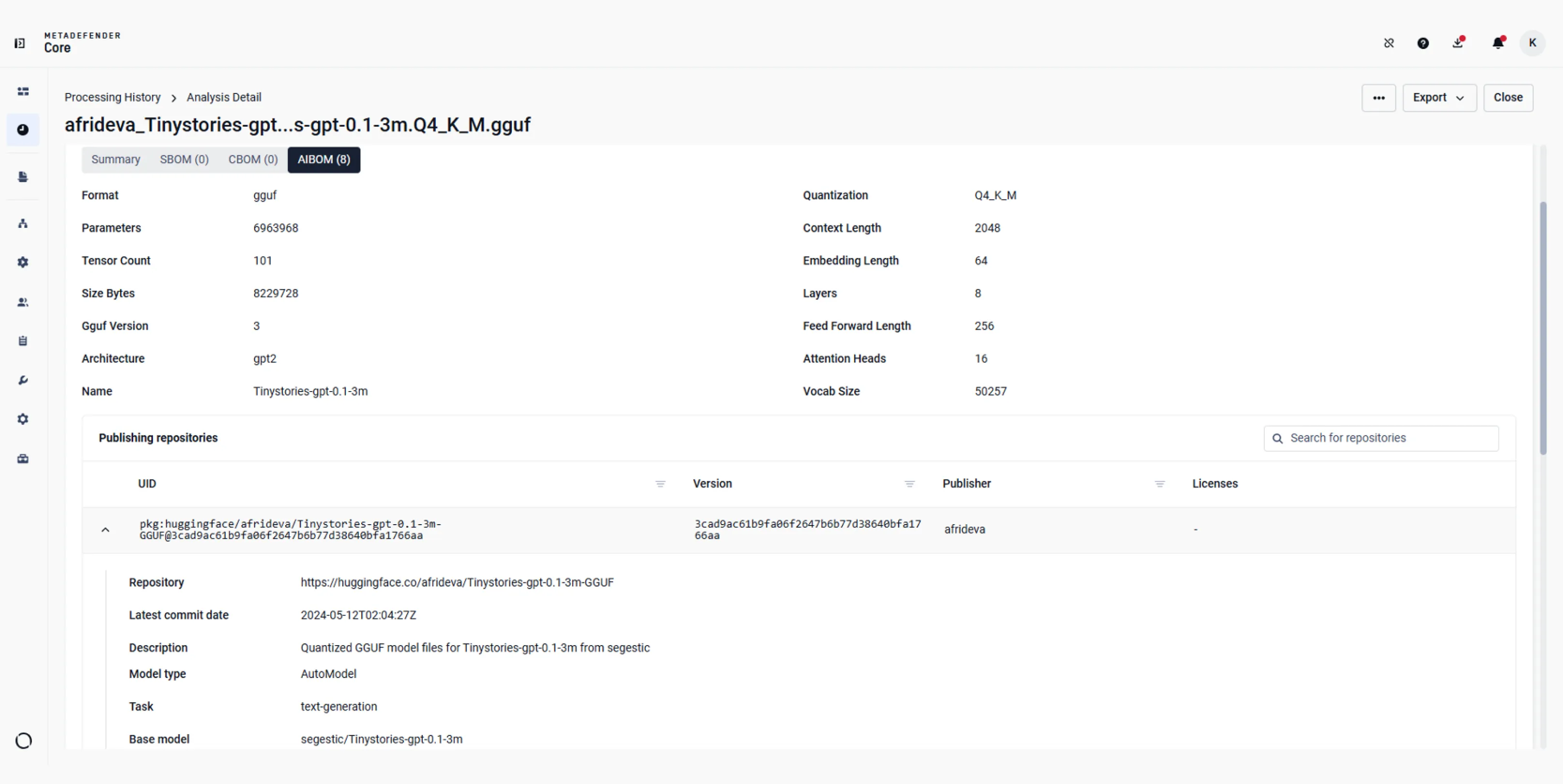
Überprüfen Sie das Modellformat und die Architektur und sehen Sie sich anschließend die Repositorien an, von denen bekannt ist, dass sie dieselbe Datei veröffentlichen.
 SBOM-Richtlinien konfigurieren
Legen Sie Schweregradschwellenwerte für Sicherheitslücken fest, wählen Sie die zu blockierenden Paketlizenzen aus und aktivieren Sie Abhängigkeitsprüfungen für den Quellcode.
- CBOM- und AIBOM-Richtlinien konfigurieren
Entscheiden Sie, ob Sie aufgrund kryptografischer Risiken eine Sperrung vornehmen oder welche Lizenzen für KI-Modelle Sie einschränken möchten.
- Zusammenfassung der einheitlichen Stückliste prüfen
Vergleichen Sie die Ergebnisse der Software-, Kryptografie- oder KI-Prüfung für die gescannte Datei und öffnen Sie anschließend die einzelnen Module, um weitere Details anzuzeigen.
- Software -Sicherheitslücken prüfen
Überprüfen Sie die Paketversion, die gemeldete Lizenz, die zugehörigen CVEs und die Schweregrade.
- Kryptografische Risiken und Nachweise prüfen
Überprüfen Sie die klassischen und quantenbasierten Risikoklassifizierungen anhand von Belegen, aus denen hervorgeht, wo kryptografische Vermögenswerte gefunden wurden.
- Herkunft des KI-Modells überprüfen
Überprüfen Sie das Modellformat und die Architektur und sehen Sie sich anschließend die Repositorien an, von denen bekannt ist, dass sie dieselbe Datei veröffentlichen.
Integrationen & unterstützte Sprachen
Anwendungsfälle
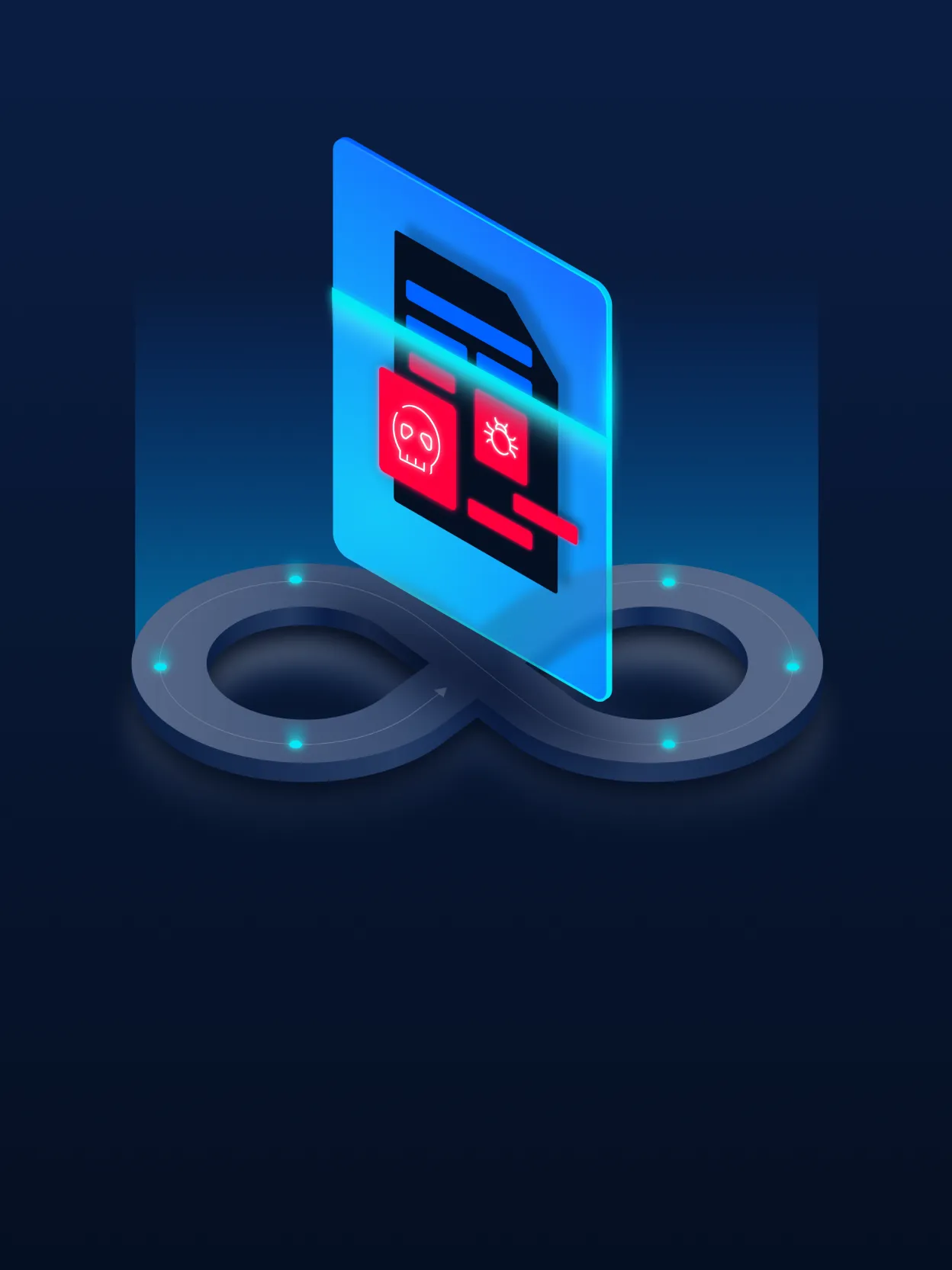
Eine neu veröffentlichte CVE untersuchen
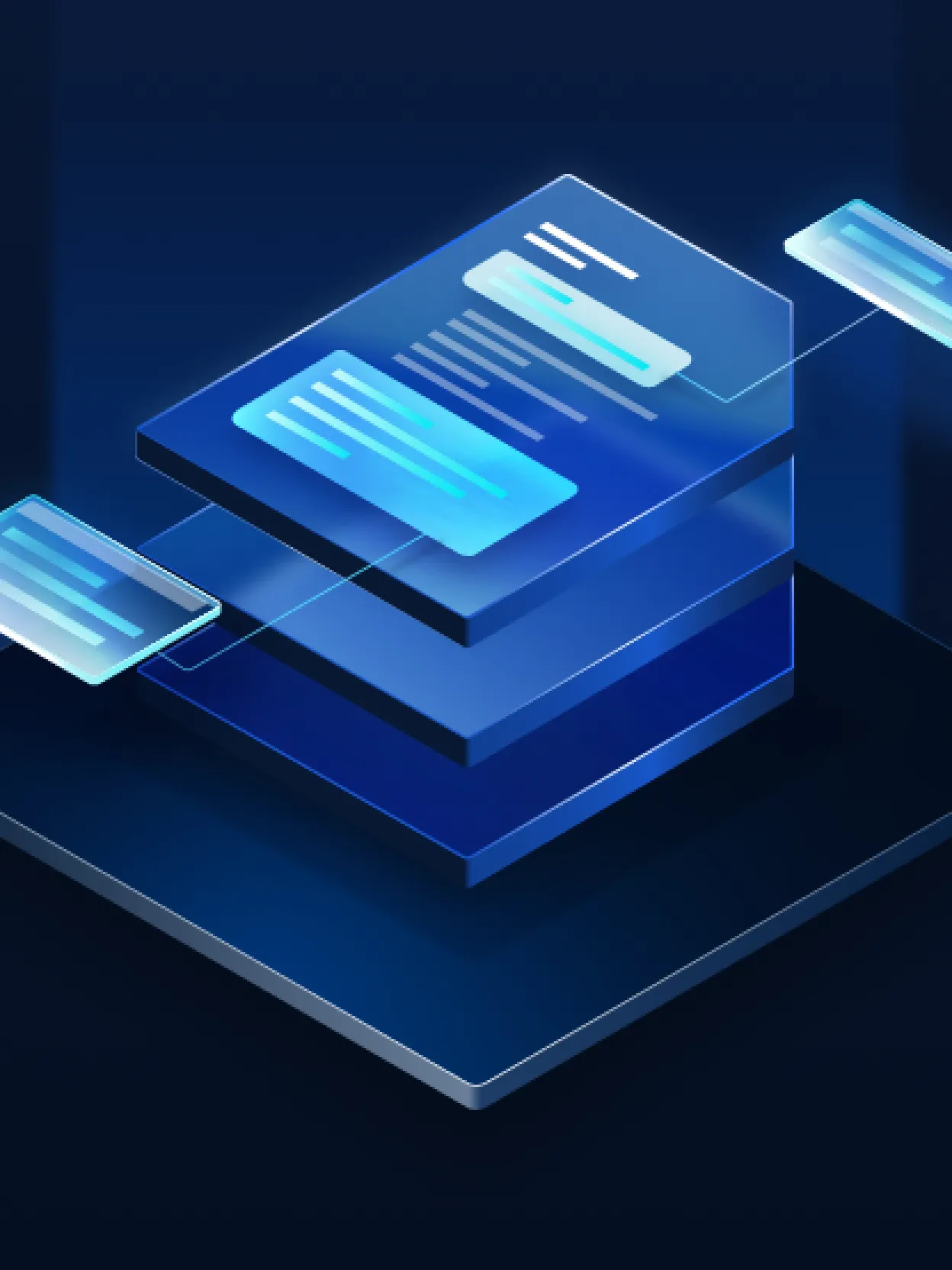
Planung der Umstellung auf Post-Quantum-Lösungen
Nutzen Sie die Ergebnisse der kryptografischen Analyse und die empfohlenen Ersatzlösungen, um vor der Migrationsplanung die Ressourcen zu identifizieren, die einer fachlichen Überprüfung bedürfen.

Ein KI-Modell vor der Bereitstellung überprüfen
Prüfen Sie bekannte Veröffentlichungsrepositorien und die verfügbaren Lizenzen, bevor Sie ein Modell für die Nutzung in der Anwendung freigeben.
Ressourcen

SBOM – an Anwendungsfällen orientiert
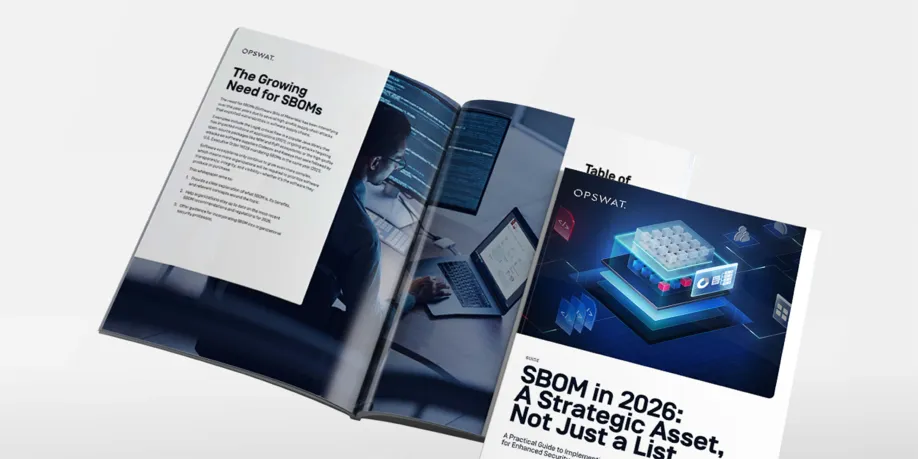
SBOM-Leitfaden für 2026: Machen Sie Compliance zu einem Sicherheitsvorteil
Von „Dune“ bis npm: Der Shai-Hulud-Wurm definiert Supply Chain neu
Shai-Hulud 2.0: So Secure Sie Secure Supply Chain der zweiten Welle
Jüngster ESLint-Hack hebt Bedenken bezüglich derSupply Chain auf die nächste Stufe
2 Milliarden npm-Downloads durch Krypto-Malware gefährdet: Ein Weckruf für die Sicherheit der Supply Chain
Software Bill of Materials (SBOM) erklärt
Sicherheit inSupply Chain : Was sie ist und warum sie so wichtig ist
0 Ergebnisse. Bitte versuchen Sie es erneut.
